Showing posts with label endangered species. Show all posts

Saturday, February 18, 2017

Protect Alaskan Wolves and Bears

Today marks a sad day for any hibernating grizzly cubs in Alaska. A tragic fate awaits the wolf pups sleeping cozy in their dens. The House overturned Federal protection for these and other creatures by passing a most despicable resolution. It now falls on the senate to decide if federal protection stands.

http://www.nbcnews.com/news/us-news/house-overturns-obama-era-law-protect-alaskan-bears-wolves-n722481
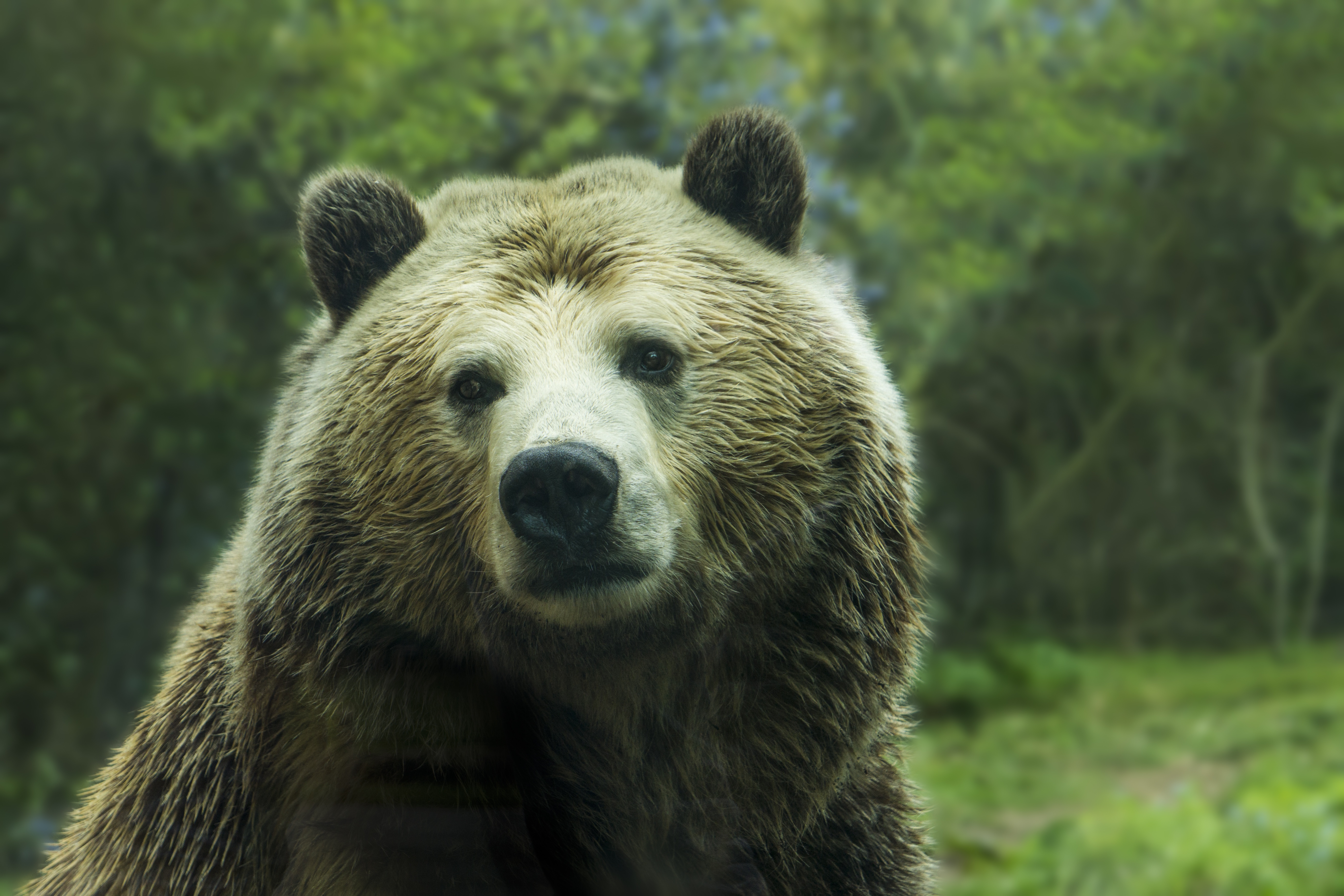

A grizzly bear in the wild. Photo by Jessica Weiller.
Photo via Good Free Photos

H.J. Res 69
http://naturalresources.house.gov/issues/issue/?IssueID=118697

The language of the resolution introduced by Rep. Don Young (R-AK) states that their disapproval under the Congressional Review Act to overturn an August 5, 2016 final rule by the U.S. Fish and Wildlife Service. "The rule takes authority away from the State of Alaska to manage fish and wildlife for both non-subsistence and subsistence uses on federal wildlife refuges in Alaska."

Under the overturned federal law, hunters were prohibited from shooting or trapping wolves while at their dens with cubs or using airplanes or helicopters to hunt them from the air. It also prohibited using inhumane traps and luring bears with food to get point blank kills. This act, however, will allow hunters once again to kill such predators from the air or in their dens and to brush the dust off of those old clunky mechanical traps that were for so long forbidden because they cause the animals to suffer greatly.

Wolves and Bears are known as Keystone Species, that is, their presence or absence in an ecosystem has far-reaching consequences that go well beyond themselves. "The keystone at the top of an arch holds all the stones in place. Without it, the arch collapses." - Keystoneconservation.com. Take this species out of the ecosystem, and, more so than a non-Keystone Species, the effects ripple out to create negative impacts on the entire ecosystem, from the health of marshes and grasslands, water quality, vegetation growth and general survival rates within the ecosystem. One particular EPA study noted the role wolves played when reintroduced to Yellowstone National Park. Without the wolves, elk suffered their own population booms and busts, booming, they would nibble vegetation down to the bare earth, to the point where the plants did not survive and thus regrow. Elk suffered massive die-offs due to subsequent starvation. Beavers, also, returned due to the wolves maintaining elk populations, which protected those shrubs along the marshlands to provide crucial habitat, and with the beavers' return, water quality improved, marshlands expanded, thus causing further ecosystem repair with fish and amphibian life thriving.

All ecosystems are very intricately-connected webs, every species has a role that impacts and influences the health and well-being of those animals and plants around it. If we fail to protect Keystone species, we will fail to protect entire ecosystems.
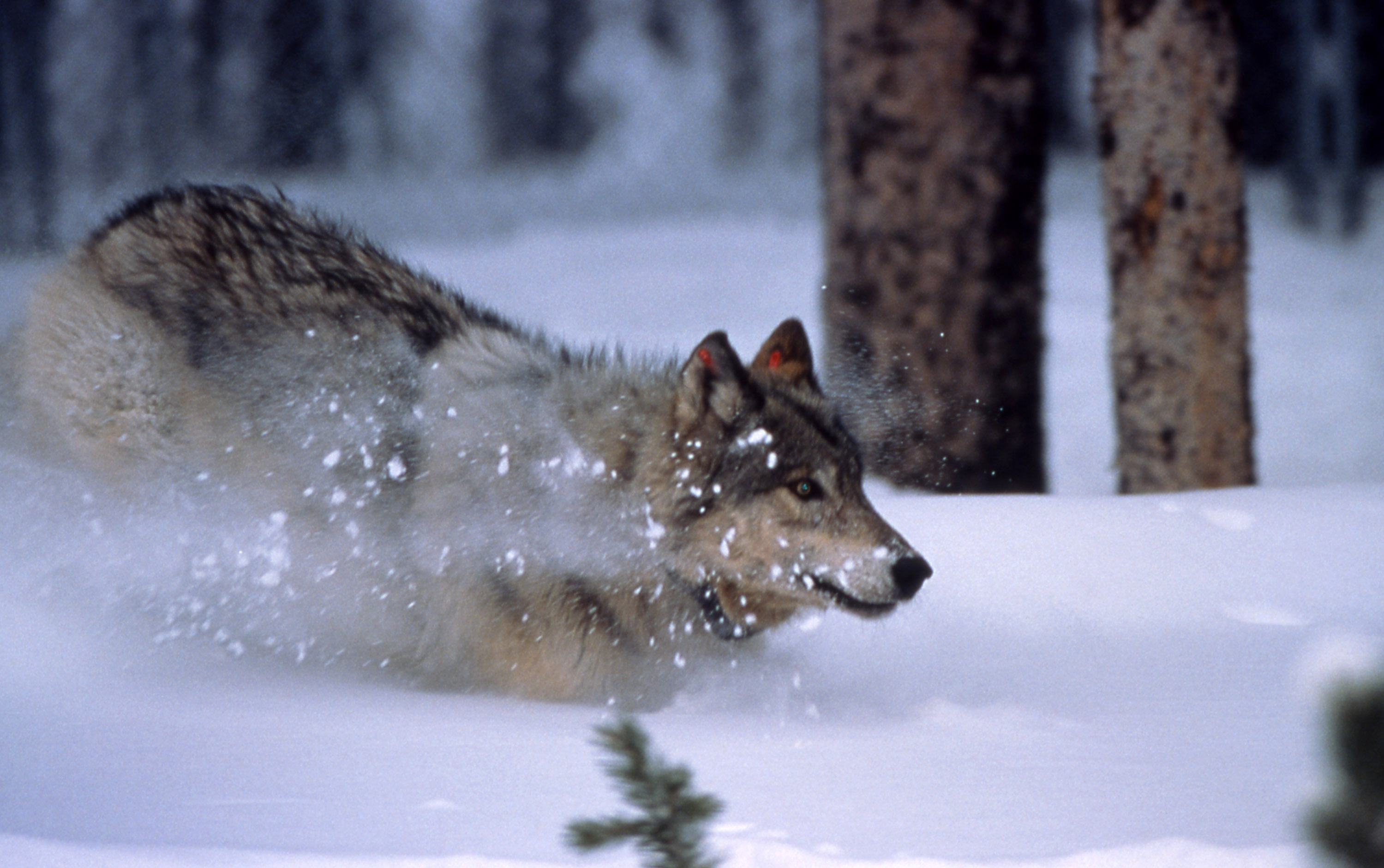

Wolf running in the snow in Yellowstone National Park, Wyoming. Photo by Barry O'Neill.
Photo via Good Free Photos

Please reach out to your senators and demand they do act in the best interest of the environment. The senate has the opportunity to do the right thing here, we just need to call them, email them, let them know that permitting hunters this level of free reign is most certainly not what we want to have happen. Protections exist for a reason, removing them on this kind of whim is foolish and misguided.

This world belongs to all of us. We must be stewards of this Earth and do our best to conserve and protect crucial diversity of both animals and plants. Shooting or gassing bear cubs or wolf pups in their dens, slaying them from helicopters is not hunting, it is slaughter, it is despicable. Though this action is happening way up in Alaska, not down here in Georgia, I can't help but feel a certain connection to the fate of these snoozing pups and cubs, they were federally protected, that means our federal government protected them for all of us, from the Alaskan to the Floridian or Texan who might never see one up close but will nevertheless appreciate their persisting beauty and the impact they have in the wider ecosystem as a whole. Furthermore, if we don't stand up right now and say no to this trampling of endangered species protections, it's only a matter of time before critically endangered species in our own backyard no longer get the protection they so desperately need and deserve.

Thank you for reading. Peace.


For more information, please visit the following resources:
http://www.vitalground.org/grizzly-bears-keystone-species/
http://www.keystoneconservation.us/keystone_conservation/keystone-species.html
http://www.worldwildlife.org/species
https://www.fws.gov/endangered/laws-policies/
https://www.fws.gov/endangered/map/state/GA.html
https://www.epa.gov/endangered-species/about-endangered-species-protection-program
https://www.nwf.org/What-We-Do/Protect-Wildlife/Endangered-Species.aspx
https://georgia.gov/blog/2016-07-28/endangered-species-georgia


Tuesday, February 14, 2017

Honey-Do List: Five Things We Can Do to Help Bees

The rusty patched bumble bee was recently listed as an endangered species, the first of its kind to gain such federal protection. Bumble bees are crucial pollinators of wildflowers as well as nearly one third of all crops in the US.
Free Flower Pictures

Image Courtesy of picturesflowers.net Source: http://www.picturesflowers.net/free_flowers_pictures/honeybee_on_a_thistle_flower_collecting_pollen_0001-0408-3110-3930.html

Threats seem to be coming at these essential and beautiful creatures from all sides. From diseases spread by commercially-reared bees, to climate change by disrupting and altering floral bloom times, and habitat loss caused by human expansion, to pesticide use--primarily a toxic agent known as a neonicotinoid, the threats that bees are currently facing are enormous, devastating and challenging. Things look pretty dire and this should concern all of us, that's why I felt the need to take the time to write up my plan of action and share it with those who happen to read this here little blog.

These are some small acts that we can all take to do our part to try to save the bees.

1. Plant bee-friendly flowers, flowering herbs in your pesticide-free garden.
Not only does this help bees, but planting flowers alongside your veggies will benefit your yield. Pesticides are not the only way to eliminate unwanted insects from a garden. If you're out watering your garden every day, take a moment to inspect your plants, unwanted pests, just pluck them off, kill or relocate. Do you have broken terra cotta pottery? Place pieces around your garden to create spaces, homes for toads, lizards, spiders to set up shop, better yet, if you find toads in your yard, relocate them to your garden, same with spiders, especially golden orb weavers.

For a list of plants that bees love, check out this link: http://www.themelissagarden.com/

2. Let your yard run wild.
Who wants a yard that is uniform, populated by a single species of grass, with no variation or diversity whatsoever? Well, HOA's tend to demand it of your front yard, but I say, do as you please in the backyard! Let the clover grow, let the henbit, deadnettle and dandelions and whatever else pops up flourish. I love the diversity of nature, seeing the various random plants pop up in my backyard is a treat for me with the added bonuses of lending to a more healthy backyard ecosystem, reduced herbicide use, and occasional edible plants to pluck from time to time. Henbit, deadnettle and dandelions are all edible, if your yard is thick with them, at a certain point, the entire yard becomes one big garden. Whomever decided to call these wonderful plants "weeds" needs to truly rethink their perspective.

3. Water the bees.
Bees are thirsty. Birdbaths aren't just for birds. Bees have been known to frequent fresh water set out in birdbaths and this helps them to keep on flying at full force. Set a few stones in the water so that the bees have something to land on and crawl around on as they get a drink.

4. Buy local, organic produce.
Supporting local farmers who produce crops using sustainable, pesticide-free practices ensures that there is that much less pesticide in the environment. 5. Buy local, raw honey.

5. Support your local beekeepers, keep them in business, keep their hives profitable. Added benefit of local honey is that eating local honey has been shown to reduce allergies. By eating local honey, your body takes in and acclimates to the region's pollen and is better able to tolerate that pollen when it starts blowing around in full.

Thanks for reading, thanks for caring about the bee situation. As an added treat, below is a label that's decades old, it's from when my grandparents up in Platteville Wisconsin had their farm operation going strong. They kept some bees and sold the honey around town and this is one of the labels that they had on the product. 


For more information on bees and details of the protection of honeybees and bumble bees, please visit Scientific American article US Lists a Bumble Bee Species as Endangered for First Time and Xerces.org.

Other resources to save the bees:
sos-bees.org/
http://www.greenpeace.org/usa/sustainable-agriculture/save-the-bees/
https://savebees.org/

Sign this petition and this petition at Xerces.org.

Thanks for reading. Peace.